Are Comic Books Better Than Cartoons for Child Development?
Children today have access to a wide range of entertainment and educational content. Among the most popular forms are comic books and cartoons, both of which capture children’s attention through colorful visuals, engaging characters, and imaginative storytelling. However, when it comes to child development, many parents and educators wonder whether comic books offer greater benefits than cartoons.
While cartoons provide entertainment and visual stimulation, comic books contribute significantly to cognitive growth, literacy development, creativity, and critical thinking. Understanding the differences between these two mediums can help parents make informed decisions about their children’s learning and recreational activities.
Understanding the Difference Between Comic Books and Cartoons
Comic books combine illustrations with written text, allowing children to follow stories by reading dialogues, captions, and visual cues. Readers actively participate in the storytelling process by interpreting images and understanding the narrative flow.
Cartoons, on the other hand, present stories through animation, sound effects, voice acting, and movement. Children receive information passively as the story unfolds on screen without requiring extensive reading or interpretation.
This fundamental difference plays a major role in determining how each medium impacts child development.
How Comic Books Improve Reading Skills
One of the greatest advantages of comic books is their ability to strengthen reading proficiency. Unlike cartoons, comic books require children to read dialogues, understand context, and connect written language with visual elements.
Building Vocabulary Naturally
Comic books expose children to new words in engaging situations. Because the illustrations provide visual context, young readers can understand unfamiliar vocabulary more easily. This process supports language acquisition and encourages independent learning.
Enhancing Reading Comprehension
Children must actively follow plot developments, character interactions, and visual clues. This engagement improves comprehension skills and helps readers learn how to extract meaning from both text and imagery.
Encouraging Reluctant Readers
Many children who find traditional books intimidating are attracted to comic books because of their colorful artwork and shorter text segments. Comic books serve as an excellent gateway to broader reading habits.
The Cognitive Benefits of Comic Books
Comic books engage multiple areas of the brain simultaneously. Children analyze illustrations, read dialogue, interpret emotions, and understand story progression.
Improved Critical Thinking
Readers must connect visual and textual information to understand the complete narrative. This process develops analytical skills and encourages deeper thinking.
Better Memory Retention
The combination of images and text helps children remember information more effectively. Visual storytelling strengthens memory pathways and enhances long-term retention.
Problem-Solving Skills
Many comic book stories feature challenges, mysteries, and adventures that encourage readers to predict outcomes and think critically about solutions.
h2 How Cartoons Support Child Development
Cartoons also offer developmental benefits when consumed in moderation and when content is age-appropriate.
Visual Learning Enhancement
Animated content can simplify complex concepts through movement, color, and sound. Educational cartoons often help children understand scientific concepts, social skills, and basic academic subjects.
Improved Listening Skills
Cartoons encourage children to focus on spoken language, helping them develop listening comprehension and auditory processing abilities.
Exposure to Diverse Experiences
Many cartoons introduce children to different cultures, environments, and perspectives, broadening their understanding of the world.
Why Comic Books Promote Active Learning
The most significant distinction between comic books and cartoons is the level of participation required from the child.
When reading comic books, children:
- Interpret visual information.
- Read and comprehend text.
- Imagine character voices.
- Visualize movement between panels.
- Predict story outcomes.
This active engagement stimulates intellectual development and encourages independent thought.
In contrast, cartoons present most information directly, reducing the amount of cognitive effort required to understand the story.
The Role of Imagination in Child Development
Imagination is essential for creativity, innovation, and emotional growth.
Comic Books Strengthen Imagination
Comic books provide visual frameworks while leaving many details for children to imagine. Readers create voices, sounds, and movements in their minds, enhancing creative thinking.
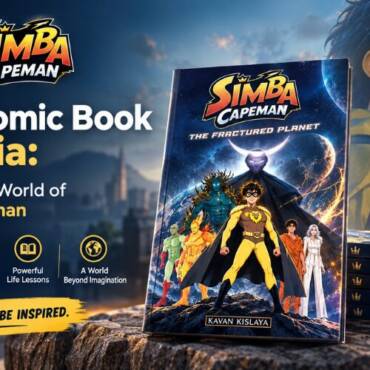
For example, when reading stories featuring heroic characters like Simba Capeman, children actively imagine action sequences, environments, and character emotions. This mental participation contributes significantly to creative development.
Cartoons Deliver Complete Experiences
Animated shows present finished visual and auditory experiences. While entertaining, they leave less room for imaginative interpretation because most details are already provided.
Language Development: Comic Books vs Cartoons
Comic Books and Language Growth
Comic books directly support:
- Vocabulary expansion
- Grammar understanding
- Sentence structure recognition
- Reading fluency
- Storytelling skills
Children repeatedly encounter written language, strengthening literacy skills through enjoyable experiences.
Cartoons and Spoken Language
Cartoons help children learn pronunciation, conversational patterns, and verbal communication. However, they generally offer fewer opportunities for direct reading practice.
Social and Emotional Learning Through Comics
Comic books often explore themes such as friendship, courage, honesty, empathy, and perseverance.
Character-Based Learning
Children learn valuable life lessons by following relatable characters who overcome obstacles and grow through challenges.
Stories featuring superheroes, adventurers, and inspiring figures help children understand:
- Responsibility
- Teamwork
- Compassion
- Resilience
- Leadership
Comic books provide these lessons while encouraging thoughtful reflection on character decisions and consequences.
The Educational Value of Indian Comic Books
Indian comic books have played an important role in educating generations of young readers.
Popular Indian comics introduce children to:
- Historical figures
- Mythological stories
- Cultural traditions
- Moral lessons
- National heritage
These stories combine entertainment with educational content, making learning enjoyable and memorable.
Comic books featuring Indian heroes also help children connect with local culture while developing strong reading habits.
Screen Time Concerns and Child Development
One major concern among parents is excessive screen exposure.
Advantages of Comic Books
Comic books:
- Require no screen usage.
- Reduce digital fatigue.
- Encourage focused attention.
- Support healthier recreational habits.
- Promote independent learning.
Potential Challenges with Cartoons
Extended cartoon viewing can contribute to:
- Reduced physical activity
- Increased screen dependency
- Shorter attention spans
- Less engagement with reading materials
Moderation remains essential when incorporating cartoons into a child’s daily routine.
The Importance of Balance of Comic Books & Cartoons
Although comic books offer numerous developmental advantages, cartoons are not without value. The most effective approach combines both mediums thoughtfully.
Parents can encourage:
- Daily comic book reading
- Educational cartoons
- Family discussions about stories
- Creative activities inspired by favorite characters
- Balanced screen time habits
By integrating both forms of media, children can benefit from diverse learning experiences.
Are Comic Books Better Than Cartoons?
When evaluating literacy development, imagination, critical thinking, concentration, and cognitive growth, comic books often provide stronger developmental benefits than cartoons.
Comic books transform children from passive viewers into active participants. They encourage reading, stimulate imagination, strengthen vocabulary, and foster analytical thinking in ways that cartoons cannot fully replicate.
While cartoons remain valuable for entertainment and visual learning, comic books offer a richer environment for intellectual and educational growth.
Comic books provide a unique combination of reading practice, visual engagement, creativity, and critical thinking that makes them highly beneficial for child development. While cartoons offer entertainment and educational value, comic books foster stronger literacy skills, imagination, concentration, and independent learning. By incorporating quality comic books into a child’s routine, parents can help build a foundation for lifelong learning, curiosity, and intellectual growth.
FAQ
1. Are comic books better than cartoons for child development?
Comic books often provide greater developmental benefits because they encourage active reading, critical thinking, imagination, and vocabulary growth. Cartoons are entertaining and educational but generally involve more passive consumption.
2. How do comic books improve children’s reading skills?
Comic books combine text and images, helping children understand context, learn new vocabulary, improve reading comprehension, and develop reading fluency in an engaging way.
3. Can cartoons be educational for children?
Yes, educational cartoons can teach concepts such as science, math, social skills, and language development through visual storytelling, animation, and audio cues.
4. Do comic books help develop creativity and imagination?
Yes. Comic books encourage children to imagine character voices, sounds, movements, and story details, which strengthens creativity and imaginative thinking.
5. Are comic books suitable for reluctant readers?
Absolutely. The combination of colorful illustrations and shorter text sections makes comic books less intimidating and more engaging for children who struggle with traditional books.