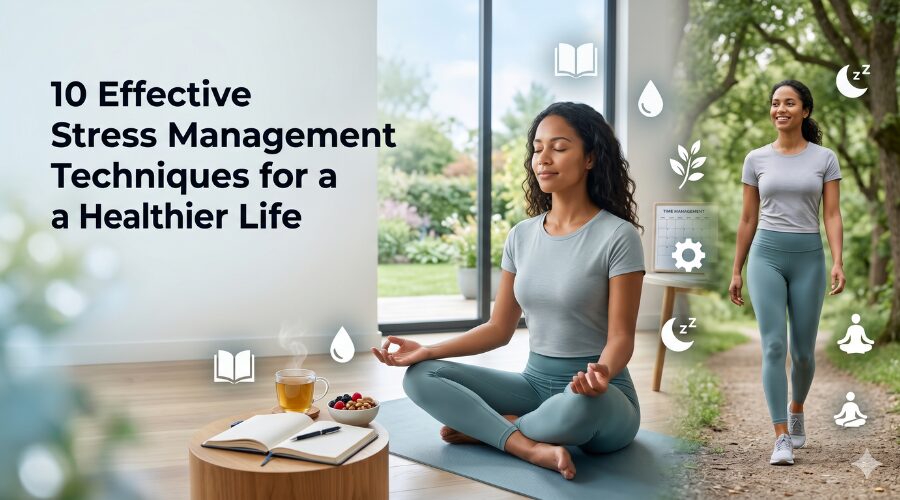
10 Effective Stress Management Techniques for a Healthier Life
In today’s fast-paced world, stress has become a common part of daily life. Whether it’s work deadlines, financial responsibilities, family obligations, or constant digital connectivity, many people find themselves feeling overwhelmed more often than ever before. While a small amount of stress can motivate us to perform better, prolonged or chronic stress can negatively impact both physical and mental health.
Excessive stress may lead to fatigue, difficulty concentrating, mood swings, sleep problems, and reduced productivity. Over time, unmanaged stress can affect overall well-being and quality of life.
The good news is that stress can be managed effectively with the right habits and techniques. By adopting healthy coping strategies, individuals can improve emotional well-being, enhance resilience, and enjoy a more balanced lifestyle. This guide explores 10 effective stress management techniques for a healthier life and provides practical tips to help you reduce stress naturally.
Understanding Stress and Its Effects
What Is Stress?
Stress is the body’s natural response to challenges, demands, or changes. It triggers physical and emotional reactions designed to help us handle difficult situations. While short-term stress can be helpful in certain circumstances, ongoing stress can become harmful if not managed properly.
Common Causes of Stress
Some of the most common sources of stress include:
- Work-related pressure
- Financial concerns
- Relationship issues
- Academic challenges
- Health problems
- Major life changes
- Social expectations
- Excessive screen time
Signs and Symptoms of Excessive Stress
Emotional Symptoms
- Anxiety
- Irritability
- Feeling overwhelmed
- Mood swings
- Lack of motivation
Physical Symptoms
- Headaches
- Muscle tension
- Fatigue
- Sleep disturbances
- Digestive discomfort
Behavioral Symptoms
- Overeating or undereating
- Social withdrawal
- Procrastination
- Increased screen time
- Reduced productivity
Recognizing these signs early can help prevent stress from affecting long-term well-being.
10 Effective Stress Management Techniques for a Healthier Life
Practice Deep Breathing Exercises
Deep breathing is one of the simplest and most effective relaxation techniques. It helps activate the body’s relaxation response and slows down the stress reaction.
Benefits
- Reduces anxiety
- Lowers heart rate
- Improves focus
- Promotes relaxation
Practical Tips
- Inhale slowly through your nose for four seconds.
- Hold your breath for four seconds.
- Exhale gently through your mouth for six seconds.
- Repeat for five minutes daily.
Even a few minutes of deep breathing can create a noticeable sense of calm.
Exercise Regularly
Physical activity is a powerful stress reduction strategy. Exercise stimulates the release of endorphins, which are natural mood-enhancing chemicals.
Benefits
- Improves mood
- Boosts energy levels
- Supports better sleep
- Enhances mental resilience
Practical Tips
- Walk for 30 minutes daily.
- Try cycling or swimming.
- Join a fitness class.
- Practice stretching exercises.
Consistency matters more than intensity when using exercise to manage stress.
Get Quality Sleep
Sleep and stress are closely connected. Poor sleep can increase stress levels, while stress can make it difficult to sleep.
Benefits
- Improves concentration
- Supports emotional balance
- Enhances recovery
- Strengthens overall wellness
Practical Tips
- Follow a regular sleep schedule.
- Avoid screens before bedtime.
- Create a relaxing nighttime routine.
- Keep your bedroom cool and comfortable.
Prioritizing sleep is one of the most important healthy lifestyle habits.
Practice Mindfulness and Meditation
Mindfulness involves paying attention to the present moment without judgment. Meditation helps quiet mental chatter and promotes emotional balance.
Benefits
- Reduces anxiety
- Improves self-awareness
- Enhances emotional well-being
- Supports mental clarity
Practical Tips
- Start with five minutes daily.
- Focus on your breathing.
- Use guided meditation apps.
- Practice mindful walking.
Over time, mindfulness for stress management can significantly improve mental wellness.
Maintain a Healthy Diet
Nutrition plays an important role in how we feel physically and emotionally. A balanced diet helps support stable energy levels and overall health.
Benefits
- Supports brain function
- Maintains energy levels
- Helps regulate mood
- Promotes overall wellness
Practical Tips
- Eat plenty of fruits and vegetables.
- Include whole grains.
- Stay hydrated.
- Limit processed foods and sugary snacks.
Healthy eating habits contribute to both physical and emotional well-being.
Manage Your Time Effectively
Poor time management often leads to unnecessary stress. Organizing tasks effectively can reduce feelings of overwhelm.
Benefits
- Improves productivity
- Reduces last-minute pressure
- Creates better work-life balance
- Enhances focus
Practical Tips
- Create daily task lists.
- Prioritize important activities.
- Break large projects into smaller steps.
- Schedule regular breaks.
Managing time wisely can make daily responsibilities feel much more manageable.
Limit Social Media and Screen Time
Constant exposure to digital content can contribute to stress, comparison, and mental fatigue.
Benefits
- Improves focus
- Enhances sleep quality
- Reduces information overload
- Promotes healthier relationships
Practical Tips
- Set screen-time limits.
- Avoid devices before bed.
- Schedule technology-free periods.
- Unfollow accounts that increase stress.
A healthy digital balance supports stress-free living.
Connect with Family and Friends
Strong social connections can provide emotional support during challenging times.
Benefits
- Reduces feelings of isolation
- Provides encouragement
- Improves mood
- Strengthens emotional resilience
Practical Tips
- Call a friend regularly.
- Schedule family activities.
- Share your thoughts openly.
- Spend quality time with loved ones.
Meaningful relationships are an essential part of mental wellness.
Engage in Hobbies and Recreational Activities
Enjoyable activities can provide a healthy escape from daily pressures and improve overall happiness.
Benefits
- Encourages relaxation
- Boosts creativity
- Improves mood
- Increases life satisfaction
Practical Tips
- Read books.
- Paint or draw.
- Garden.
- Play music.
- Explore photography.
Regular hobbies can become valuable daily stress relief methods.
Seek Professional Support When Needed
Sometimes stress becomes difficult to manage alone. Seeking guidance from qualified professionals can provide valuable support.
Benefits
- Helps identify stress triggers
- Develops healthy coping skills
- Improves emotional awareness
- Provides personalized strategies
Practical Tips
- Talk to a licensed counselor.
- Join support groups.
- Attend wellness workshops.
- Explore stress-management programs.
Seeking help is a positive step toward better emotional well-being.
Daily Habits That Help Reduce Stress Naturally
Small daily habits can have a significant impact on stress levels over time.
Consider adopting these healthy practices:
- Start the day with gratitude.
- Stay hydrated throughout the day.
- Take short walking breaks.
- Practice positive self-talk.
- Stretch regularly.
- Spend time outdoors.
- Maintain healthy boundaries.
- Focus on one task at a time.
These habits can support long-term stress reduction and improve overall quality of life.
Common Stress Management Mistakes to Avoid
Many people unknowingly make choices that increase stress.
Avoid these common mistakes:
- Ignoring early signs of stress
- Overworking without breaks
- Neglecting sleep
- Consuming excessive caffeine
- Bottling up emotions
- Constant multitasking
- Using social media as an escape
- Avoiding self-care activities
Recognizing these habits can help you develop healthier coping strategies.
When Should You Seek Professional Help?
Occasional stress is normal, but professional support may be beneficial when stress:
- Persists for several weeks or months
- Interferes with daily activities
- Affects relationships
- Causes significant sleep problems
- Leads to constant anxiety or emotional distress
- Makes it difficult to perform routine responsibilities
A qualified mental health professional can provide guidance tailored to your individual needs and circumstances.
Conclusion
Stress is a natural part of life, but it does not have to control your well-being. By practicing effective stress management techniques such as deep breathing, regular exercise, mindfulness, healthy eating, quality sleep, and strong social connections, you can improve both your mental and physical health.
The key to lasting results is consistency. Small positive habits practiced every day can make a significant difference over time. Start with one or two strategies that fit your lifestyle and gradually build a routine that supports long-term emotional well-being and stress-free living.
Remember, managing stress is not about eliminating challenges—it’s about developing healthier ways to respond to them and creating a balanced, fulfilling life.
Frequently Asked Questions (FAQ)
1. What are the most effective stress management techniques?
Deep breathing, exercise, mindfulness, quality sleep, healthy eating, and strong social connections are among the most effective stress management techniques.
2. How can I reduce stress naturally at home?
You can reduce stress naturally through meditation, stretching, reading, deep breathing exercises, healthy eating, and limiting screen time.
3. Can exercise really help with stress?
Yes. Physical activity promotes the release of endorphins, which can improve mood and help reduce feelings of stress.
4. How does mindfulness reduce stress?
Mindfulness encourages present-moment awareness, helping individuals focus less on worries and more on the current experience.
5. What foods may support emotional well-being?
Fruits, vegetables, whole grains, nuts, seeds, and lean proteins can contribute to overall wellness and stable energy levels.
6. How much sleep is recommended for stress management?
Most adults benefit from approximately seven to nine hours of quality sleep each night.
7. When should I seek professional support for stress?
If stress becomes overwhelming, persistent, or begins affecting daily functioning, professional guidance may be helpful.
8. What daily habits contribute to stress-free living?
Regular exercise, healthy eating, mindfulness, gratitude, hydration, and quality sleep all contribute to a healthier lifestyle.