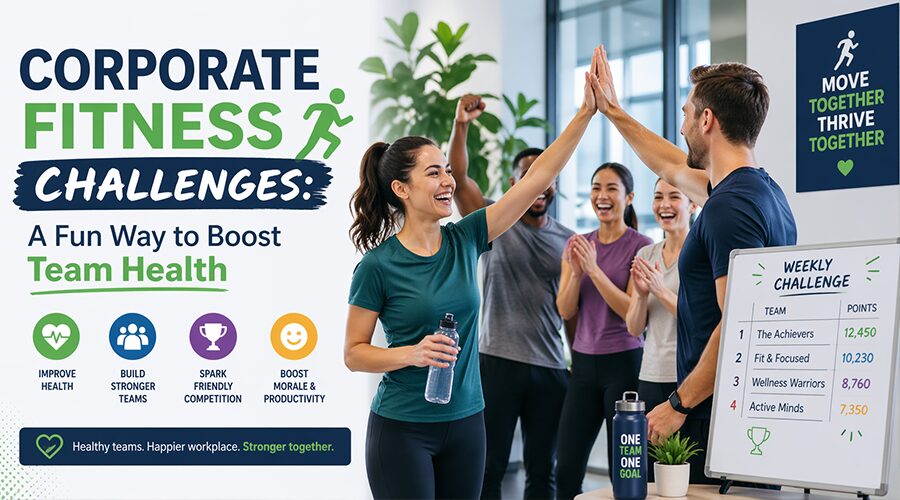
Corporate Fitness Challenges: A Fun Way to Boost Team Health
In today’s fast-paced professional environment, organizations are increasingly recognizing that employee wellness is not just a personal matter—it is a business priority. Corporate fitness challenges have emerged as one of the most effective and engaging strategies to improve employee health, strengthen workplace relationships, and enhance productivity. By integrating wellness into the company culture, businesses can create healthier, happier, and more motivated teams.
A workplace that promotes fitness naturally fosters positivity, energy, and stronger collaboration. When employees feel physically and mentally well, they perform better, communicate more effectively, and contribute to a more vibrant work environment. This is why many forward-thinking companies are adopting structured fitness challenges as part of their employee engagement strategy.
Why Corporate Fitness Challenges Matter
Employee wellness directly impacts business success. Sedentary work routines, stress, and long hours often lead to fatigue, burnout, and health-related issues. Corporate fitness challenges provide a practical and enjoyable solution by encouraging movement, teamwork, and healthier habits.
These challenges are designed to motivate employees through friendly competition and shared goals. Whether it’s a step challenge, yoga month, hydration challenge, or team marathon training, the objective is simple: create sustainable wellness habits while making fitness enjoyable.
The benefits extend far beyond physical health. We see stronger team morale, improved workplace communication, reduced absenteeism, and increased employee satisfaction when fitness becomes part of the daily work culture.
Top Benefits of Corporate Fitness Challenges
1. Improved Employee Health and Wellness
The most immediate advantage of fitness challenges is better physical health. Regular movement helps reduce the risk of obesity, heart disease, diabetes, and posture-related issues caused by desk jobs.
Challenges such as walking competitions, cycling goals, and stretching sessions encourage employees to stay active throughout the day. Even small daily improvements can create significant long-term health outcomes.
When companies invest in employee health, they often see lower healthcare costs and fewer sick days, creating both human and financial benefits.
2. Enhanced Team Building and Collaboration
Fitness challenges naturally bring people together. Employees from different departments who may rarely interact begin working toward a common goal. This strengthens workplace relationships and creates a stronger sense of belonging.
Team-based challenges such as group runs, department step competitions, or wellness bingo create opportunities for collaboration outside traditional work tasks. Shared experiences improve trust and communication, which positively affects workplace performance.
Healthy competition also adds excitement and energy to the office atmosphere without creating unhealthy pressure.
3. Increased Productivity and Focus
Physical activity improves blood circulation, boosts energy levels, and enhances mental clarity. Employees who engage in regular movement are often more alert, focused, and productive during working hours.
Fitness challenges reduce workplace fatigue and help employees manage stress more effectively. When mental health improves alongside physical wellness, concentration and problem-solving abilities naturally increase.
A healthier team is a more efficient team.
4. Stronger Employee Engagement and Retention
Modern professionals value employers who genuinely care about their well-being. A company that prioritizes wellness sends a powerful message about its workplace values.
Corporate fitness programs improve job satisfaction and make employees feel appreciated. This contributes to stronger retention rates and helps attract top talent in competitive industries.
People are more likely to stay in environments where they feel supported both professionally and personally.
5. Positive Workplace Culture
Wellness challenges contribute to a culture of positivity and motivation. Employees feel encouraged rather than pressured, and leadership participation can further strengthen trust across the organization.
When managers and executives join challenges, it demonstrates commitment from the top and helps remove barriers between teams. This builds a culture where health, collaboration, and support become part of the company identity.
A positive culture is often the foundation of long-term business growth.
Popular Types of Corporate Fitness Challenges
Step Count Challenges
One of the simplest and most popular options is the step challenge. Employees track their daily steps using fitness apps or wearable devices, competing individually or in teams.
This challenge is highly accessible because it requires no special equipment and can be done anywhere—at home, in the office, or during commutes.
Hydration Challenges
Hydration is often overlooked but plays a major role in energy, focus, and overall health. Employees track their daily water intake and compete to maintain consistent hydration goals.
This challenge is simple, inclusive, and highly effective for promoting healthier habits.
Yoga and Mindfulness Challenges
Stress management is essential in modern workplaces. Yoga and mindfulness challenges encourage employees to dedicate time to stretching, meditation, and mental relaxation.
These programs improve flexibility, reduce anxiety, and support mental wellness, making them ideal for high-pressure work environments.
Healthy Eating Challenges
Nutrition significantly affects workplace performance. Healthy eating challenges focus on meal planning, reducing sugar intake, increasing fruit and vegetable consumption, or preparing balanced lunches.
These challenges help employees build sustainable dietary habits that improve both physical and mental performance.
Team Sports and Outdoor Activities
Organizing football matches, cycling groups, hiking weekends, or charity runs adds excitement and strengthens workplace relationships. Outdoor challenges are excellent for building stronger team connections while promoting active lifestyles.
These activities also help employees disconnect from work stress and recharge.
How to Successfully Launch a Corporate Fitness Challenge
Set Clear and Realistic Goals
The challenge should be easy to understand and achievable for employees of all fitness levels. Clear goals increase participation and prevent employees from feeling overwhelmed.
For example, aiming for 8,000 daily steps may be more inclusive than setting marathon-level expectations.
Success should be based on consistency and participation, not extreme performance.
Make Participation Inclusive
Not every employee has the same fitness ability, schedule, or interests. Inclusive challenges ensure everyone feels welcome regardless of age, physical condition, or role.
Offering multiple challenge options allows employees to choose activities that suit their lifestyle and comfort level.
Inclusivity drives stronger engagement.
Use Rewards and Recognition
Recognition significantly increases motivation. Rewards do not always need to be expensive—they can include certificates, wellness gift boxes, extra break time, team lunches, or public recognition during meetings.
Celebrating progress keeps momentum strong and makes participation more meaningful.
Acknowledgment often matters more than monetary value.
Leverage Technology
Fitness apps, leaderboards, and wellness platforms make tracking progress simple and transparent. Digital tools help maintain enthusiasm and allow remote or hybrid employees to participate equally.
Technology also provides valuable insights for improving future wellness programs.
Convenience increases consistency.
Encourage Leadership Participation
When leadership actively joins fitness challenges, employees feel more inspired to participate. It removes the perception that wellness is optional and reinforces the importance of health across all levels of the company.
Leadership involvement transforms wellness from an initiative into a cultural value.
Measuring the Success of Workplace Wellness Challenges
Tracking success helps companies refine and improve future programs. Key indicators include participation rates, employee feedback, reduced absenteeism, improved morale, and overall engagement levels.
Surveys can provide valuable insights into what employees enjoyed most and what can be improved. Wellness programs should evolve based on real employee experiences.
Long-term success comes from consistency, not one-time events.
The Future of Corporate Wellness
As workplace expectations continue to evolve, employee well-being will remain a central focus for successful organizations. Hybrid work models, mental health awareness, and work-life balance are shaping the future of corporate wellness strategies.
Corporate fitness challenges are no longer optional perks—they are strategic investments in people and performance.
Companies that embrace wellness build stronger teams, healthier cultures, and better business outcomes.
The future belongs to organizations that understand that employee health is business health.
Conclusion
Corporate fitness challenges offer far more than physical activity—they create stronger teams, better morale, improved productivity, and a healthier workplace culture. They transform wellness from an individual responsibility into a shared company mission.
By introducing fun, inclusive, and engaging fitness initiatives, businesses can create an environment where employees thrive both personally and professionally. The result is a workplace that is healthier, more connected, and better equipped for long-term success.