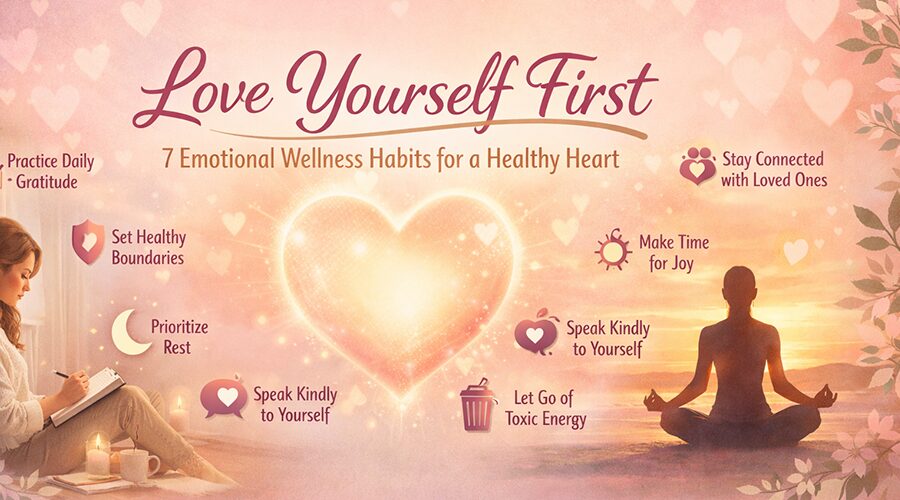
Love Yourself First: 7 Emotional Wellness Habits for a Healthy Heart
In today’s fast-paced world, emotional wellness is no longer a luxury—it is a necessity for sustaining a healthy heart, a balanced mind, and a fulfilling life. When we choose to love ourselves first, we lay the foundation for resilience, clarity, and authentic happiness. Emotional well-being directly influences physical heart health, stress levels, and long-term vitality. By cultivating intentional habits, we empower ourselves to protect our emotional core and strengthen our overall cardiovascular health.
Below, we explore seven powerful emotional wellness habits that help us nurture self-love and maintain a healthy heart—emotionally and physically.
1. Practice Radical Self-Acceptance Daily
True emotional wellness begins with radical self-acceptance. We must acknowledge our strengths, imperfections, past mistakes, and aspirations without judgment. When we constantly criticize ourselves, we elevate stress hormones such as cortisol, which can negatively affect heart health.
By embracing who we are—without comparison—we create emotional stability. We can cultivate self-acceptance through:
- Daily self-affirmations
- Mindful reflection without self-blame
- Recognizing progress rather than perfection
- Letting go of unrealistic standards
When we accept ourselves wholeheartedly, we reduce emotional tension and build a healthier internal environment for both mind and heart.
2. Establish Healthy Emotional Boundaries
Emotional boundaries protect our mental and cardiovascular well-being. Without boundaries, we absorb unnecessary stress, resentment, and emotional overload—leading to burnout and increased blood pressure.
We strengthen our emotional wellness by:
- Saying no without guilt
- Communicating needs clearly and calmly
- Avoiding toxic relationships
- Protecting our personal time
By setting clear boundaries, we create space for peace and reduce chronic stress, which is a significant contributor to heart disease. Loving ourselves first means prioritizing emotional safety.
3. Cultivate Emotional Awareness and Mindfulness
Emotional awareness is the ability to recognize, understand, and manage our feelings. When emotions are suppressed, they manifest physically—often impacting heart health through anxiety, hypertension, or chronic fatigue.
We can develop emotional awareness by:
- Practicing daily mindfulness meditation
- Journaling our thoughts and feelings
- Identifying emotional triggers
- Pausing before reacting
Mindfulness lowers stress levels, stabilizes heart rate, and promotes clarity. By observing our emotions without judgment, we prevent emotional buildup and create a balanced internal state that supports cardiovascular health.
4. Prioritize Restorative Self-Care Rituals
Self-care is not indulgence; it is maintenance for emotional and heart health. When we neglect rest and relaxation, stress accumulates and weakens our immune and cardiovascular systems.
Effective restorative habits include:
- Getting 7–8 hours of quality sleep
- Engaging in calming activities such as reading or nature walks
- Practicing deep breathing exercises
- Scheduling regular digital detox periods
Quality sleep alone reduces inflammation and stabilizes heart rhythm. By integrating intentional self-care rituals into our routine, we allow the heart—both emotional and physical—to reset and recharge.
5. Build Meaningful and Supportive Relationships
Humans are biologically wired for connection. Supportive relationships lower stress levels, improve heart function, and increase longevity. Isolation, on the other hand, can elevate cardiovascular risk.
We strengthen emotional wellness when we:
- Surround ourselves with positive influences
- Express vulnerability with trusted individuals
- Resolve conflicts with maturity
- Invest time in nurturing relationships
Healthy connections foster emotional security. When we feel supported, our nervous system remains regulated, and our heart benefits from reduced stress hormones and improved circulation.
6. Develop Resilience Through Emotional Regulation
Life inevitably presents challenges. Emotional resilience determines how effectively we respond to adversity without compromising our well-being. Chronic emotional reactivity increases heart strain, while calm regulation preserves it.
We build resilience by:
- Practicing cognitive reframing
- Maintaining perspective during conflict
- Engaging in gratitude practices
- Focusing on solutions instead of dwelling on problems
Gratitude, in particular, has been shown to improve heart rate variability and overall cardiovascular health. When we regulate emotions effectively, we reduce wear and tear on the heart caused by prolonged stress.
7. Align Actions With Personal Values and Purpose
Living in alignment with our core values strengthens self-worth and emotional balance. When our actions contradict our beliefs, internal conflict arises—triggering stress and emotional discomfort.
We nurture a healthy emotional heart when we:
- Define our personal values clearly
- Set meaningful life goals
- Make decisions rooted in authenticity
- Avoid people-pleasing behaviors
Purpose-driven living enhances mental clarity, reduces anxiety, and promotes long-term emotional satisfaction. When we love ourselves first, we choose integrity over external validation.
The Connection Between Emotional Wellness and Heart Health
Emotional health and cardiovascular health are deeply interconnected. Chronic stress, unresolved trauma, and emotional suppression elevate blood pressure and inflammation—two major contributors to heart disease.
By integrating these seven habits, we:
- Reduce cortisol levels
- Improve heart rate variability
- Strengthen immune function
- Enhance sleep quality
- Lower blood pressure naturally
A healthy heart is not sustained by diet and exercise alone. It thrives when emotional harmony supports physical vitality.
Daily Routine for Emotional Wellness and a Healthy Heart
To make these habits practical, we can implement a simple daily structure:
Morning:
- 5 minutes of gratitude journaling
- Affirmations focused on self-love
- Light stretching or breathing exercises
Midday:
- Boundary check: evaluate emotional energy
- Pause for mindful breathing
- Healthy meal choices
Evening:
- Reflect on emotional triggers without judgment
- Disconnect from digital distractions
- Prioritize restorative sleep
Consistency transforms small habits into powerful emotional protection systems.
Why Loving Yourself First Changes Everything
When we love ourselves first, we no longer operate from depletion. We respond instead of react. We choose peace over chaos. We prioritize rest over exhaustion. This shift protects both emotional integrity and heart health.
Self-love is not selfish—it is strategic. It is the foundation of emotional wellness, resilience, and long-term cardiovascular strength. By consistently practicing these seven habits, we create a life where emotional stability and heart health coexist in harmony.
Final Thoughts on Emotional Wellness Habits for a Healthy Heart
Emotional wellness is an ongoing commitment. It requires awareness, discipline, and compassion toward ourselves. By cultivating self-acceptance, boundaries, mindfulness, restorative care, meaningful relationships, resilience, and purpose-driven living, we fortify the most vital organ of all—the heart.
When we commit to loving ourselves first, we unlock sustainable happiness, emotional clarity, and lifelong vitality.