
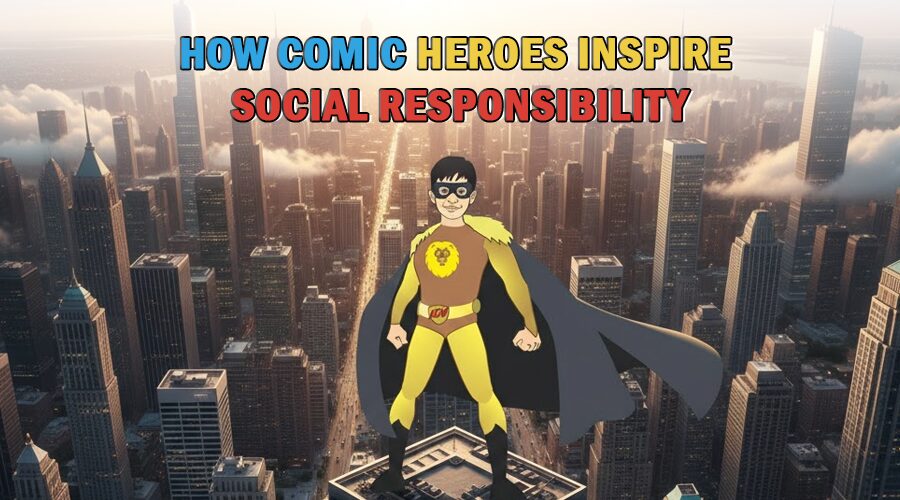
How Comic Heroes Inspire Social Responsibility in Modern Society
Comic heroes are often seen as fictional characters created purely for entertainment. However, their real impact goes far beyond colorful costumes and action-packed stories. Comic heroes play a powerful role in shaping values, behavior, and social awareness—especially among children and young readers.
In today’s society, where moral confusion, social inequality, and lack of empathy are growing concerns, comic heroes act as modern-day role models. Through relatable stories and visual storytelling, they teach the importance of responsibility, compassion, courage, and ethical decision-making in a way that feels natural and engaging.
Understanding Social Responsibility in Simple Terms
Social responsibility means understanding how our actions affect others and choosing to act in ways that benefit society as a whole. It includes:
- Standing up for what is right
- Helping those who are vulnerable
- Using power, influence, or knowledge responsibly
- Respecting laws, people, and the environment
Comic heroes bring these abstract ideas to life by placing them in real-world-like situations where choices matter and consequences are clearly shown.
Why Comic Heroes Influence Readers So Strongly
Unlike textbooks or lectures, comics communicate values through emotion-driven storytelling. Readers don’t just read about responsibility—they experience it through characters they admire.
Why Comics Leave a Lasting Impact:
- Visual storytelling strengthens memory
- Emotional connection builds empathy
- Repeated exposure reinforces moral values
When a reader sees a hero struggle, fail, and still choose the right path, it encourages them to reflect on their own decisions.
Teaching Responsibility Without Moral Lectures
One of the biggest strengths of comic storytelling is that it never feels preachy. Instead of telling readers what is right or wrong, comics show it through actions.
Comic heroes often:
- Accept responsibility for their mistakes
- Face consequences instead of escaping them
- Choose the greater good over personal comfort
This storytelling approach allows readers—especially children—to learn responsibility naturally, without feeling forced.
Standing Against Injustice: A Core Theme in Comics
Almost every iconic comic hero stands for justice. Whether the issue is crime, corruption, discrimination, or abuse of power, heroes consistently take a stand—even when it puts them at risk.
This sends a strong message:
Remaining silent in the face of injustice is also a choice.
Relevance for Indian Society
In India, issues like bullying, social inequality, corruption, and unfair treatment are realities many people face. Comics help young readers understand that courage and integrity are essential traits of responsible citizens.
Power Comes With Responsibility: Beyond Superpowers
One of the most powerful ideas in comic storytelling is that power must be used responsibly. Power does not only mean super strength or advanced technology. In real life, power can be:
- Knowledge
- Social influence
- Financial strength
- Physical ability
- Digital presence
Comic heroes remind readers that every form of power carries responsibility—and misuse often leads to harm.
Encouraging Kindness, Empathy, and Community Care
Comic heroes frequently prioritize helping others over personal gain. They protect communities, support the weak, and show empathy even toward those who struggle or fail.
These stories encourage readers to:
- Help people in everyday situations
- Be aware of community issues
- Practice kindness through small actions
Real-Life Inspiration:
- Helping accident victims
- Supporting elderly neighbors
- Speaking up against online harassment
Comics subtly teach that social responsibility begins with small, everyday choices
How Comic Books Shape Responsible Children
For children, comics are more than stories—they are learning tools. The combination of visuals, dialogue, and action makes moral lessons easy to understand and remember.
What Children Learn From Comics:
- Difference between right and wrong
- Importance of teamwork
- Respect for rules and others
- Accountability for actions
This is why many parents today prefer to buy comic books for kids that combine entertainment with positive values.
Indian Comic Heroes and Cultural Responsibility
Local heroes resonate more deeply with Indian audiences because they reflect familiar values, traditions, and social realities.
Indian comic heroes often emphasize:
- Family responsibility
- Courage balanced with humility
- Respect for elders and society
- Community-first mindset
These cultural elements help children and young readers connect moral lessons with their real-life environment.
Comics and Responsible Digital Citizenship
In the digital age, social responsibility also applies online. Modern comic stories increasingly touch on issues such as:
- Cyberbullying
- Misuse of online influence
- Respectful communication
By addressing these themes indirectly, comics help young readers become more responsible digital citizens.
Practical Checklist: Social Lessons Learned From Comic Heroes
Comic Heroes Teach Readers To:
- ✔ Take responsibility for their actions
- ✔ Use power ethically
- ✔ Show empathy and kindness
- ✔ Stand up against injustice
- ✔ Contribute positively to society
These lessons remain relevant throughout life, from childhood to adulthood.
Why Parents Are Choosing Comics With Purpose
Today, parents are becoming more mindful of what their children consume. As a result, many prefer educational entertainment and actively buy comic books for kids that promote:
- Moral values
- Social awareness
- Creativity and imagination
Comics that balance fun with responsibility offer long-term developmental benefits.
Comic Heroes as Builders of Responsible Citizens
Comic heroes are far more than fictional entertainers. They are carriers of values, builders of empathy, and influencers of behavior. Through engaging stories, they teach readers that being a hero is not about wearing a cape—it is about making responsible choices.
When readers apply these lessons in real life, comics help shape a society that is more aware, compassionate, and socially responsible.
Frequently Asked Questions (FAQs)
How do comic heroes inspire social responsibility?
Comic heroes demonstrate responsible behavior through actions, sacrifices, and ethical decisions, encouraging readers to do the same in real life.
Are comic books good for children’s moral development?
Yes. Comics combine visual storytelling with relatable characters, making moral lessons easy to understand and remember.
Why should parents buy comic books for kids?
Comics help children develop values, empathy, imagination, and decision-making skills while keeping learning enjoyable.
Do comics only provide entertainment?
No. Well-written comics educate readers about responsibility, justice, and social values alongside entertainment.
Add Comment